Visual Inspection
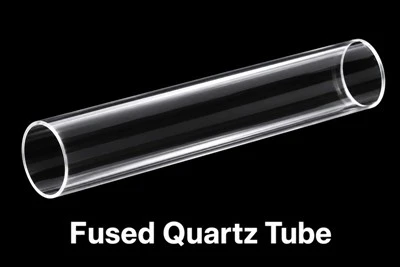
Replacement is mandatory if the tube exhibits visible cracks, chips, or extensive scratches, or if the surface shows whitening (devitrification) or severe yellowing/blackening that cannot be removed by cleaning.
Replacement is required if the tube wall thickness has worn down by more than 15% of the original thickness, if roundness or straightness significantly exceeds specifications, or if structural integrity has substantially declined.
Performance Testing
If a multimeter set to continuity mode (buzzer) shows no sound and infinite resistance when the probes touch both ends of the tube, the internal heating filament is broken; the tube must be replaced.
If the 220V AC power supply is normal but the quartz tube fails to heat up or heating efficiency has dropped drastically, the internal components have aged or failed, necessitating replacement.
If light transmittance drops significantly and fails to meet the requirements for optical or semiconductor applications, the tube must be replaced.
Operational Safety Assessment
If the tube has been used for an extended period in environments involving excessive heat or strong corrosion, or is approaching the end of its designed service life, preventive replacement is recommended even if there is no visible damage.
If the tube fails to meet the minimum pressure resistance standard during burst testing or leaks during pressure holding, it must be replaced immediately to prevent the risk of bursting under high pressure.