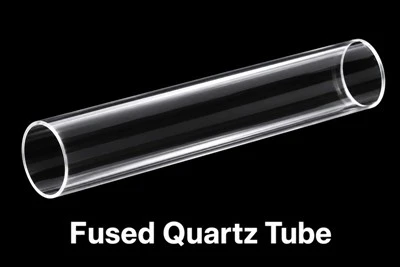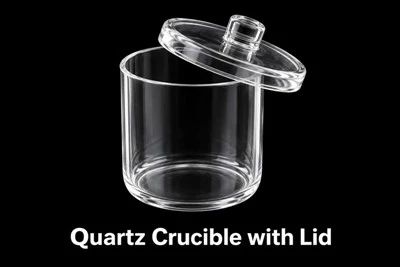
High-Temperature Resistance and Thermal Stability: With a softening point of approximately 1730°C, these tubes allow for long-term operation at 1100°C and can withstand rapid temperature shocks-such as cooling from 1100°C to room temperature-without shattering; they are suitable for applications like high-temperature furnaces and metallurgical temperature measurement.
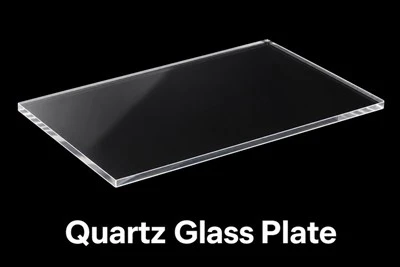
High Optical Transparency: They offer visible light transmission exceeding 93% and peak ultraviolet transmission of up to 80%, making them essential optical components for spectral analysis, UV disinfection lamps, and laser equipment.
Strong Corrosion Resistance: They are virtually inert to most acids and alkalis (with the exception of hydrofluoric acid), boasting acid resistance 30 times that of ceramics and 150 times that of stainless steel; this makes them ideal for handling corrosive media in chemical processing and laboratory environments.
Excellent Electrical Insulation: Their insulation resistance is ten thousand times that of ordinary glass, and they maintain stable insulating properties even at high temperatures, serving as critical insulation materials for high-frequency, high-voltage electrical equipment.
Functional Versatility (Derivative Applications): They can be fabricated into heating tubes that convert radiant energy from an internal heating element into far-infrared heat, suitable for use in industrial heating processes and household heating appliances.